
Gentle Baby Stretches to Try With Your Newborn
Newborns enter the world slowly unfolding from everything they’ve known. In those first weeks, their bodies stay curled and cozy, their movements wobbly and instinctive, guided more by reflex than intention.
Baby stretches are not exercises in the traditional sense. They become quiet moments of connection, helping babies relax into their bodies, discover new sensations, and move with ease, all without pressure or rushing what will come in its own time. When done safely, stretching can support digestion, symmetry, rolling readiness, and overall movement confidence.
Below is a detailed, stretch-by-stretch guide to newborn stretches, including what each movement helps with, how to do it safely, and how stretches evolve as babies grow.
Why a Baby Play Mat Is the Best Place for Newborn Stretching
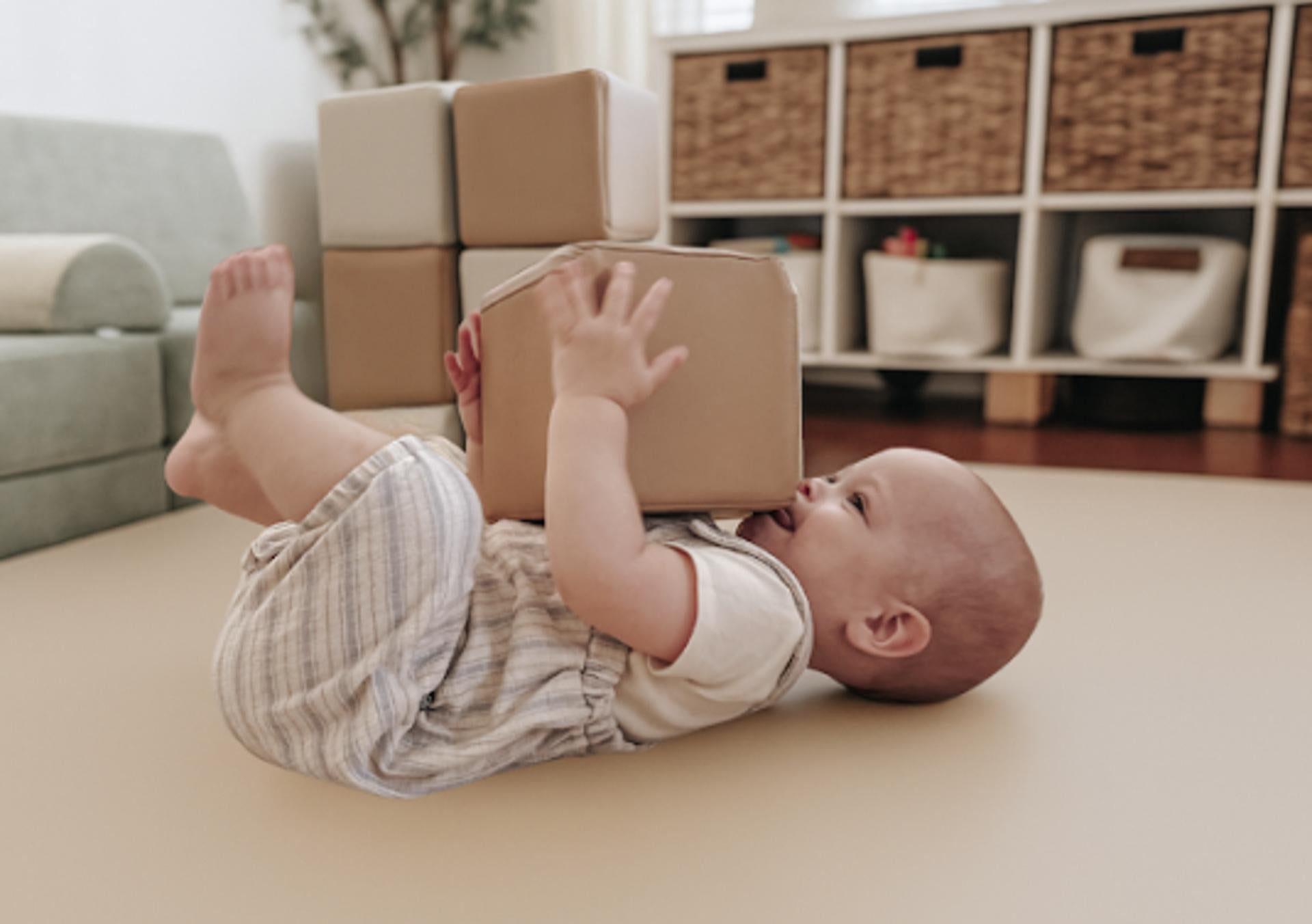
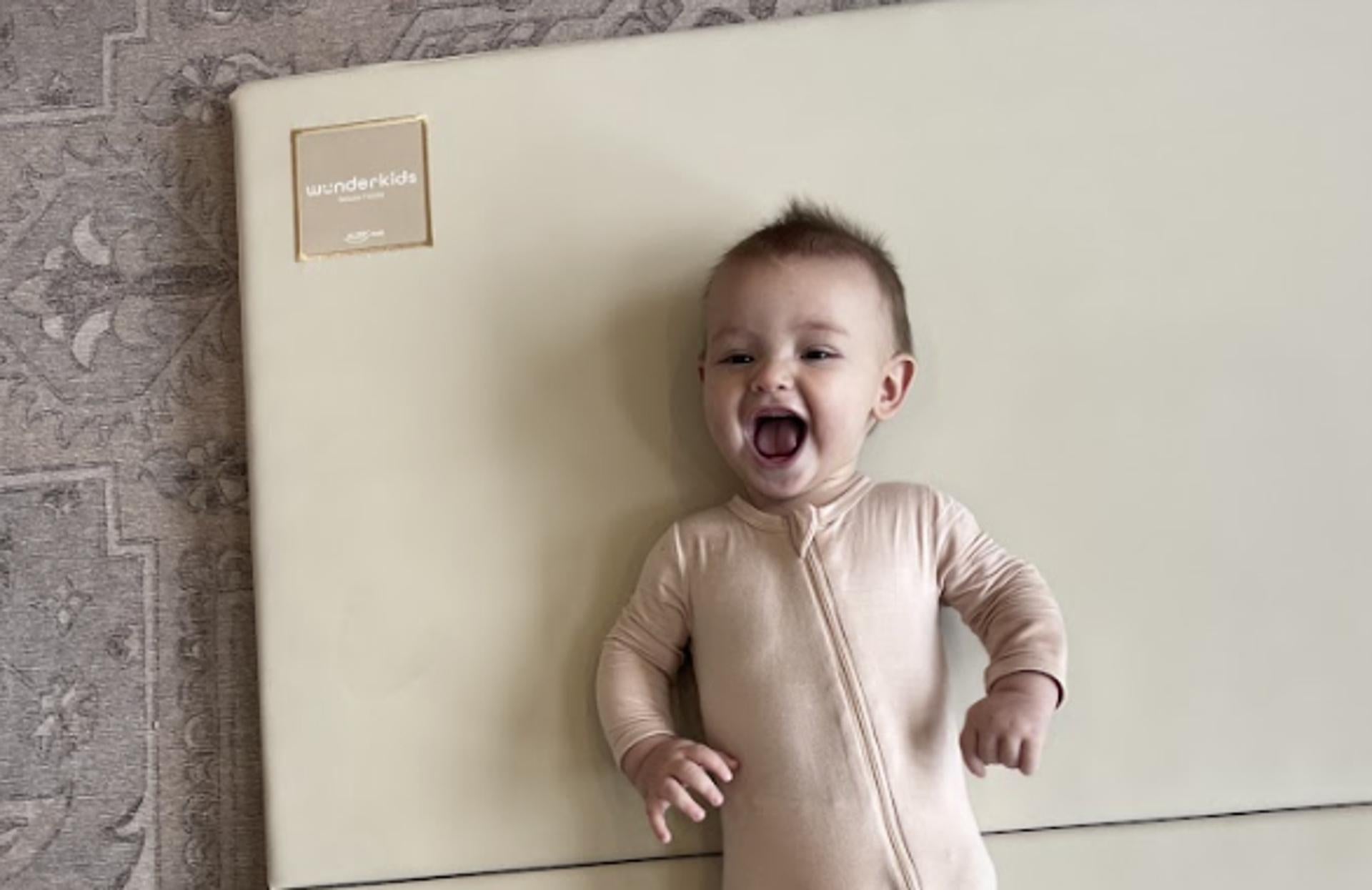
The Wunderkids Color Folder Mat is a flat, supportive surface designed to give newborns a safe and comfortable space for floor-based movement and stretching. Unlike soft furniture or baby seats, a play mat allows babies to move freely, relax into their natural posture, and explore gentle stretches without restriction.
A stable mat helps keep babies aligned during stretches, making it easier to support symmetry, digestion, and early movement confidence. Using a consistent, neutral-toned mat also creates a familiar, calming environment, helping stretching moments feel soothing and unhurried.
Baby Stretching Safety Guidelines (Essential to Read First)
Before starting any baby stretching exercises, keep these rules in mind:
- Stretch only when your baby is calm and alert
- Never force a movement or push past resistance
- Hold stretches briefly (a few seconds is enough)
- Stop immediately if your baby cries, stiffens, or arches
- Avoid stretching right after feeding
- Use a flat, supportive surface
When Can You Start Newborn Stretches?
Newborn stretches can begin in the first few weeks of life if your baby is healthy and settled. Stretching often fits naturally into everyday routines, like diaper changes, calm floor time, or after a bath.
There’s no need for long sessions. Even 1–2 minutes of gentle movement can be beneficial.
Lower-Body Baby Stretches
1. Knee-to-Tummy Stretch
Helps with: Gas relief, digestion, and lower-body relaxation.
How to do it: Lay your baby on their back. Gently bend both knees toward the tummy until you feel light resistance. Hold for 2–3 seconds, then slowly release.
How often: 3–5 repetitions
Why it helps: This is one of the most commonly used baby stretches for gas. It applies gentle pressure to the abdomen, helping trapped air move through the digestive system while relaxing the hips and lower back.
Safety cues: Stop if your baby straightens their legs forcefully or becomes tense.
2. Bicycle Legs
Helps with: Gas, hip mobility, and coordination.
How to do it: Move one leg at a time in a slow, controlled cycling motion. Keep movements smooth and small.
How often: 10–20 slow cycles
Why it helps: Alternating leg motion encourages coordination and promotes digestive movement. Bicycle legs are a staple stretch for babies who experience frequent gas or fussiness.
3. Single-Leg Extension
Helps with: Leg awareness, symmetry, and early pushing strength.
How to do it: Gently extend one leg downward while the other remains bent. Hold briefly, then switch sides.
How often: 3–4 repetitions per side
Why it helps: Babies often favour one side early on. This stretch helps them experience each leg independently, supporting balanced movement needed for rolling readiness and baby crawling.
4. Frog-Leg Hip Stretch
Helps with: Hip flexibility and tummy-time comfort.
How to do it: With your baby on their back, gently guide the knees outward and downward into a relaxed frog position. Hold briefly.
How often: 2–3 gentle holds
Why it helps: This stretch opens the hips and can make tummy time more comfortable, especially for babies who seem tight or resistant.
Upper-Body Baby Stretches
5. Arm Open-and-Close Stretch
Helps with: Shoulder mobility, reaching, and rolling preparation.
How to do it: Bring your baby’s arms gently across their chest, then slowly open them out to the sides.
How often: 3–5 repetitions
Why it helps: Opening the arms encourages chest expansion and prepares babies for reaching and pushing movements used during rolling.
6. Overhead Arm Reach
Helps with: Shoulder extension and core engagement.
How to do it: Gently guide one or both arms overhead, stopping before resistance.
How often: 2–3 gentle reaches
Why it helps: This stretch lengthens the torso and activates the core, supporting transitions toward rolling and early sitting.
7. Cross-Body Arm Stretch
Helps with: Midline awareness and coordinated movement.
How to do it: Guide one arm gently across your baby’s body toward the opposite side. Alternate sides.
How often: 3 repetitions per side
Why it helps: Rolling requires crossing the midline. This stretch introduces that motion in a supported, low-effort way.

Core & Trunk Stretches (Key for Rolling Over)
8. Side-to-Side Trunk Stretch
Helps with: Spinal mobility and rolling initiation.
How to do it: With your baby on their back, gently guide both legs slightly to one side, return to center, then repeat on the other side.
How often: 3–4 repetitions per side
Why it helps: This twisting motion mirrors the trunk rotation babies need when learning how to rollover.
9. Assisted Side-Lying Position
Helps with: Balance and rolling confidence.
How to do it: Gently roll your baby onto their side and allow them to stay there for several seconds before returning to their back.
How often: 2–3 short holds per side
Why it helps: Side-lying is a critical transitional position that helps babies feel the shift in weight needed to roll independently.
10. Pelvic Tilt Stretch
Helps with: Core activation and rolling transitions.
How to do it: Gently tilt your baby’s hips upward, lifting the pelvis slightly, then release slowly.
How often: 3–5 gentle tilts
Why it helps: This stretch activates abdominal muscles and encourages weight shifting — both essential for rolling.
Neck & Head Movement Stretches (Use Extra Care)
11. Visual Tracking Head Turn
Helps with: Neck balance and symmetry.
How to do it: Use your voice, face, or a visual object to encourage your baby to turn their head from side to side rather than guiding with your hands.
How often: Several prompts per side
Why it helps: Balanced neck movement supports symmetry and reduces positional preferences. Babies with diagnosed tightness may need professionally guided torticollis stretches.
Age-by-Age Stretch Recommendations
Babies benefit from different types of stretches as their bodies grow and their movement patterns change.
Below is a breakdown of how baby stretches evolve during the first months of life and how to use them appropriately at each stage.
Newborn Stage (0–2 Months): Comfort, Digestion, and Body Awareness
In the newborn stage, babies are still adjusting to life outside the womb. Their bodies naturally stay curled, with bent hips, tucked knees, and limited voluntary movement. At this stage, baby stretches should focus on relaxation and gentle awareness rather than mobility or strength.
Newborn stretches help:
- Release built-up tension from curled positioning
- Support digestion and reduce gas discomfort
- Introduce gentle movement without overstimulation
Recommended newborn stretches include:
- Knee-to-tummy stretch for gas relief
- Bicycle legs to support digestion and hip movement
- Arm open-and-close stretch to gently open the chest
- Visual tracking head turns to encourage balanced neck movement
Stretches at this age should be brief (just a few seconds at a time), and often fit naturally into diaper changes or calm floor time. If your baby stiffens, cries, or pulls away, that’s a cue to stop.
Early Infant Stage (2–4 Months): Symmetry and Rolling Preparation
Between two and four months, babies begin moving with more intention. You may notice longer leg kicks, more arm movement, and early attempts to twist or shift their weight. This is an ideal time to introduce stretches that support symmetry and early rolling patterns.
At this stage, baby stretching exercises help:
- Encourage balanced movement on both sides of the body
- Introduce gentle trunk rotation
- Build awareness of crossing the midline
Recommended stretches for this stage include:
- Side-to-side trunk stretch
- Cross-body arm stretch
- Single-leg extension
- Assisted side-lying
These movements support the rotation and weight shifting babies need as they approach the stage. Stretching should still be gentle and guided, but babies may begin actively participating by kicking, reaching, or turning their head. 
Rolling Stage (4–6 Months): Rotation, Core Engagement, and Control
As babies enter the rolling stage, their bodies become stronger and more coordinated. They begin to intentionally shift weight, twist their torso, and push with their legs or arms to change positions.
During this phase, stretches should support:
- Core engagement
- Trunk rotation
- Transitions between positions
Recommended stretches during the rolling stage include:
- Pelvic tilt stretch to activate the core
- Assisted side-lying with reach encouragement
- Overhead arm reaches
- Single-leg extension with gentle rotation
These stretches make great play mat exercises, complement active floor play and help babies feel comfortable moving through the motions required for rolling. They also support the muscle coordination needed for later milestones, including early sitting.
Learning about baby sitting milestones can help parents understand how these early movements build the foundation for upright balance and control.
Pre-Crawling Stage (6+ Months): Active Movement Over Passive Stretching
Once babies are sitting with support, pivoting, or showing early crawling behaviours, stretching naturally becomes part of movement rather than a separate activity.
At this stage, babies benefit most from:
- Active reaching
- Rocking forward and back
- Weight shifting through arms and legs
Rather than doing many parent-guided stretches, focus on creating opportunities for movement. As babies work toward baby crawling, stretching occurs naturally as they push, reach, and explore their environment.
Gentle stretching can still be used occasionally for comfort, but most mobility gains come from active play and exploration.
Stretching as Part of Development, Not a Shortcut
In the early months, first-year baby development happens quietly in small stretches, soft movements, and moments of connection on the floor. Baby stretches aren’t about pushing milestones, but about helping your baby feel comfortable, supported, and confident in their body.
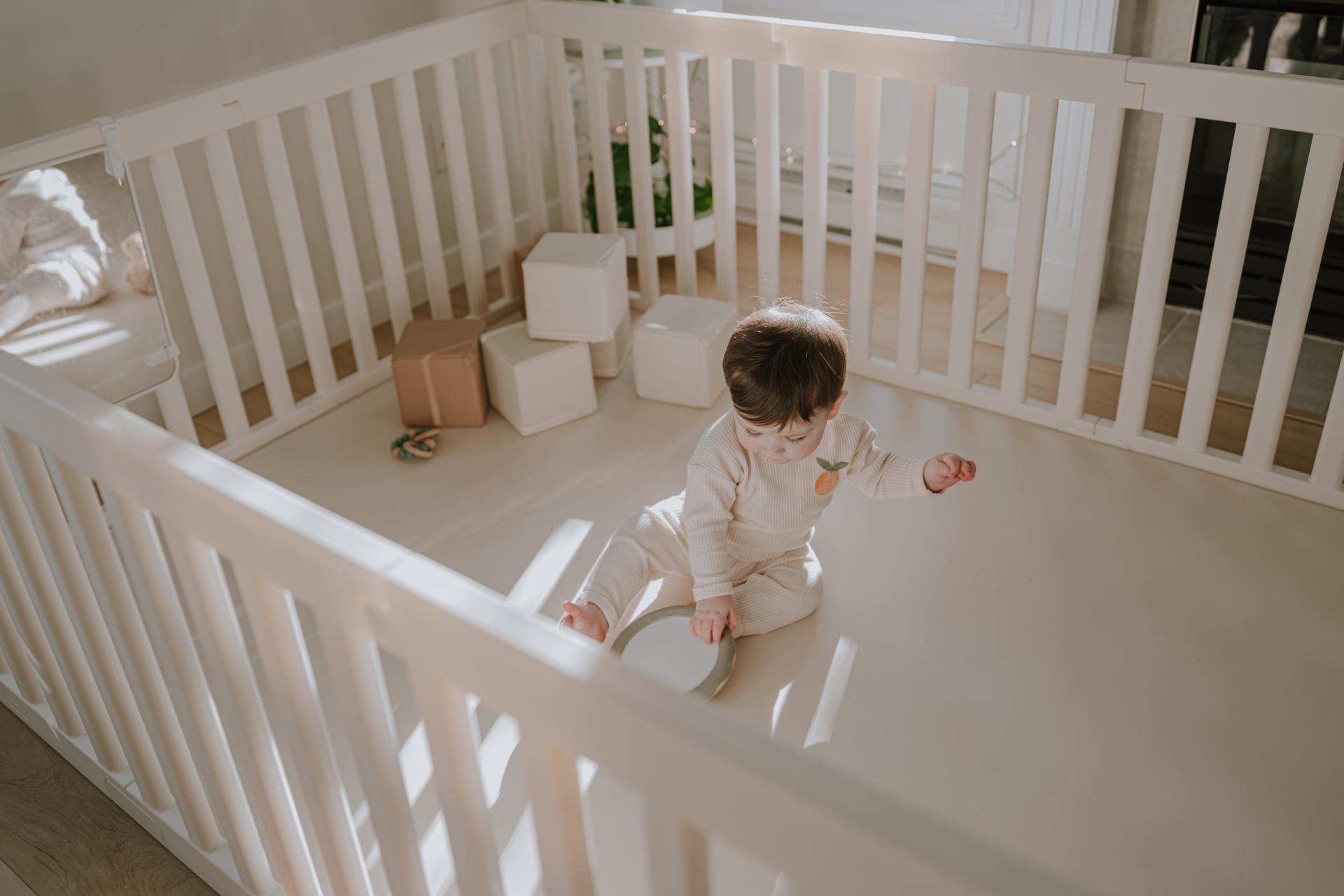
A calm, supportive space makes these moments easier. Having a stable play surface allows babies to relax, move freely, and explore gentle movement at their own pace. Thoughtfully designed play essentials from Wunderkids, like our large playpen for toddlers, help support these everyday stretches, floor play, and early milestones as your baby grows.
Follow your baby’s cues, move slowly, and trust that each small moment of movement is part of a bigger journey; one that unfolds naturally, one stretch at a time.