
Article: Your Guide to Playpen Design: How to Style a Baby Play Pen in Your Living Room

Your Guide to Playpen Design: How to Style a Baby Play Pen in Your Living Room
A playpen quickly becomes one of the most important spaces in your home. It is where your baby begins to move independently, interact with toys, and quietly observe the world around them. Because it lives directly in your living room, its design affects more than just your baby’s development. It also affects how your home feels and functions. Thoughtful playpen design allows this space to support your child’s growth while blending naturally into your everyday environment.
Unlike a separate nursery or dedicated playroom, a playpen must balance multiple roles. It needs to be safe, comfortable, visually calm, and engaging, all within a defined space. When styled intentionally, it becomes more than containment. It becomes a small, carefully designed environment that encourages curiosity, independence, and confidence while maintaining harmony within your home.
Start With Placement and Formation to Support Daily Interaction
Where you place the playpen shapes how your baby experiences it. Babies feel more comfortable and engaged when they can see their caregivers nearby, which is why positioning the playpen within your main living area is ideal. Placing it near your sofa or seating area allows your baby to observe daily routines, which supports emotional security while encouraging independent exploration.
If you are deciding how to set up a playpen, think about how it fits into your room’s natural flow rather than treating it as something to push aside. Natural light can make the space feel warmer and more inviting, while ensuring enough open space around the playpen allows for easy access. Inside the playpen, formation matters just as much. Leaving clear areas for crawling and movement ensures your baby can explore freely without feeling restricted by too many objects.
This thoughtful placement allows the playpen to feel like a natural part of your living room rather than a temporary addition. You can also review Health Canada’s official playpen safety recommendations to ensure placement, spacing, and setup support both safety and comfortable daily use.
Create a Comfortable Foundation That Encourages Movement
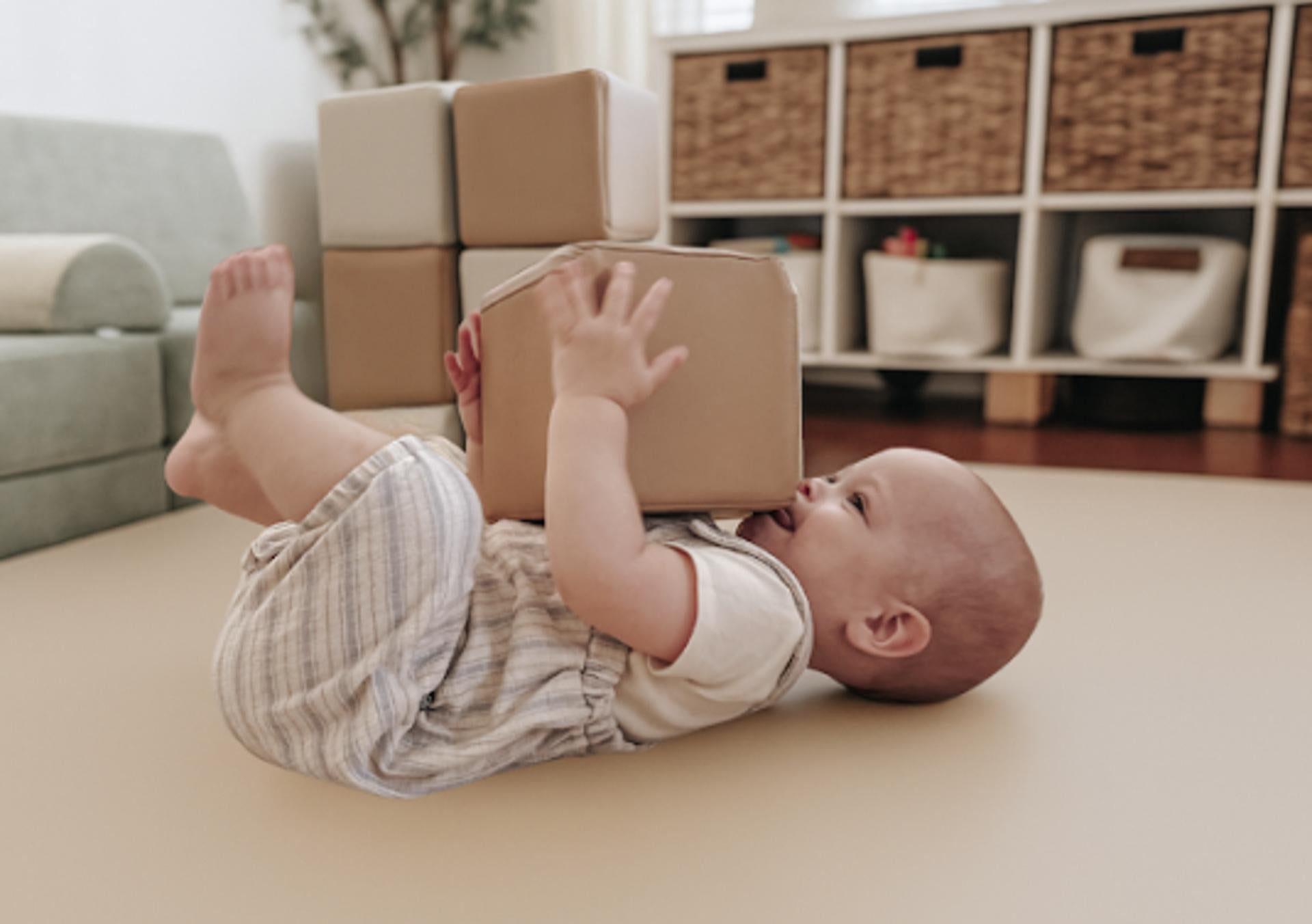
The surface inside the playpen defines how your baby moves and interacts with their environment. Babies spend much of their early development learning to roll, crawl, and sit, which makes flooring one of the most important elements of playpen design. A non toxic foldable play mat provides cushioning that supports their physical development while also contributing to the overall visual balance of the space.
Choosing a mat with neutral colors helps maintain a calm appearance that blends with your home. Soft, understated tones prevent visual overstimulation and allow your baby to focus on movement and exploration. A comfortable foundation also gives parents peace of mind, knowing their baby has a safe surface to learn and grow within the playpen. Health Canada also explains that firm, uncluttered surfaces help support safer rest and play environments for infants, which you can learn more about in their guide to creating a safe sleep environment for babies.
When the base of the playpen feels inviting and supportive, your baby is naturally encouraged to spend more time exploring it.

Curate What Goes Inside to Support Engagement and Comfort
It can be tempting to fill the playpen with as many toys as possible, but thoughtful playpen design focuses on quality and intention rather than quantity. Babies engage more deeply when they have a small number of clearly visible items instead of being surrounded by too many choices.
Including supportive elements such as a baby sofa chair creates a comfortable place for sitting, reading, or simply observing their surroundings. This adds variety to their experience while supporting posture and independence. Alongside seating, including a few sensory toys, textured objects, and soft items creates an environment that encourages exploration without overwhelming the senses.
Curating the playpen carefully allows it to function as a small, purposeful environment where your baby can interact meaningfully with their surroundings.
Rotate Toys Regularly to Keep the Space Fresh and Interesting
Babies thrive on novelty, but this does not require constantly adding new toys. Toy rotation is one of the most effective playpen design ideas because it maintains curiosity while preventing clutter. When fewer toys are present, babies tend to spend more time exploring each one instead of moving quickly between options.
Keeping additional toys stored nearby allows you to rotate them every few days, which creates a renewed sense of interest. This approach also allows you to introduce toys that align with your baby’s stage of development and different playtime ideas, such as sensory exploration, stacking, or early problem solving.
Rotating toys keeps the playpen engaging while preserving a calm and organized environment within your living room.
Create Gentle Zones to Encourage Different Types of Play
Even within a contained space, creating gentle structure helps your baby understand their environment. Dividing the playpen into subtle zones encourages different types of interaction while maintaining visual balance. For example, seating can remain along one side while open space in the center allows for crawling and movement.
This approach reflects the same principles used in thoughtful playroom design, but applied on a smaller scale. Babies begin to associate certain areas with certain activities, which supports both cognitive development and independence. This structure also prevents the playpen from feeling crowded, allowing each item to serve a clear purpose.
When zones are created intentionally, the playpen becomes easier for your baby to navigate and enjoy.
Support Independence Through Accessibility and Organization
Accessibility plays an important role in helping your baby explore independently. Placing toys where they can easily reach them encourages movement and allows them to choose what interests them. Board books can be placed along the edge, while toys can be spaced apart to allow room for crawling and exploration.
This thoughtful arrangement supports development while maintaining order within the playpen. It also reinforces safe exploration, which is an important part of early baby proofing. When your baby can interact with their environment freely and safely, they build confidence while developing important physical and cognitive skills.
Child development specialists at Nemours note that well designed play spaces help babies explore more safely and confidently. A well organized playpen allows independence to develop naturally.

Choose a Playpen That Supports Both Design and Function
The playpen itself plays a major role in how the entire space looks and feels. Choosing one that aligns with your home’s aesthetic makes it easier to create a cohesive environment. Clean lines, neutral tones, and thoughtful construction help the playpen integrate naturally into your living room. In Canada, playpens must also meet strict federal safety requirements under the Playpens Regulations, which set standards for stability, durability, and materials.
The Prima Playpen is designed to balance safety and visual simplicity, making it easier to create a playpen that feels calm and intentional. Its structure allows enough space for movement while maintaining the secure environment your baby needs. When the playpen itself supports both design and function, every other styling decision becomes easier. This creates a space that feels purposeful instead of temporary.
Let the Playpen Evolve as Your Baby Grows
Playpen design should change as your baby develops new skills. What works for a young infant may not work for a crawling or standing baby. As your baby grows, adjusting the contents of the playpen ensures it continues to support their development.
Introducing new toys, rotating books, and removing items that are no longer useful keeps the environment aligned with their needs. These changes allow the playpen to remain engaging while supporting new stages of movement and exploration. A playpen that evolves alongside your baby continues to serve as a meaningful and supportive space.
Thoughtful Playpen Design Creates a Space That Supports Both Baby and Home
A thoughtfully designed playpen does more than provide safety. It creates an environment where your baby can explore confidently while maintaining the calm and balance of your living room. When placement, layout, and contents are chosen intentionally, the playpen becomes a natural part of your home rather than something separate from it. Pediatric experts at the American Academy of Pediatrics also emphasize that properly designed and safely used playpens provide reliable environments for independent infant play, as outlined in their guide to playpen safety.
Choosing to buy a Wunderkids playpen allows you to create a space that reflects both your baby’s developmental needs and your home’s aesthetic. With the right foundation, curated contents, and thoughtful arrangement, the playpen becomes a place where your baby’s earliest discoveries unfold in comfort and security. This is the true purpose of intentional playpen design.